Advanced Diagnostics
Our full-service medical diagnostic center offers comprehensive neurological testing — from EMG and EEG monitoring to advanced brain imaging — all under one roof with expert physician analysis to uncover the exact causes behind your brain, spine, and pain conditions, so you can finally get your life back.
Comprehensive Testing That Reveals Your Diagnosis & Treatment Path
When previous doctors couldn’t explain your symptoms, it doesn’t mean answers don’t exist. Dr. Mbeo combines multiple diagnostic tests to reveal what others miss through our proven “know before we go” approach, creating a complete picture of your condition before recommending treatment. Unlike other facilities where you visit multiple locations, our integrated approach houses everything under one roof with expert physician interpretation. Our specialist diagnostic services include EMG testing, EEG monitoring, qEEG brain mapping, and balance testing, all available in our state-of-the-art medical diagnostic center with over 13 years of trusted patient care.
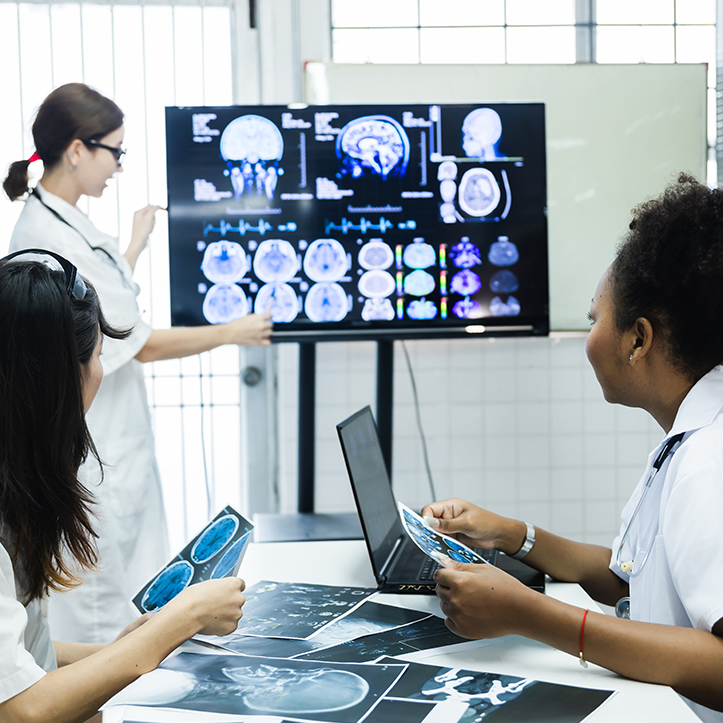
Comprehensive Testing That Reveals Your Diagnosis & Treatment Path
When previous doctors couldn’t explain your symptoms, it doesn’t mean answers don’t exist. Dr. Mbeo combines multiple diagnostic tests to reveal what others miss through our proven “know before we go” approach, creating a complete picture of your condition before recommending treatment. Unlike other facilities where you visit multiple locations, our integrated approach houses everything under one roof with expert physician interpretation. Our specialist diagnostic services include EMG testing, EEG monitoring, qEEG brain mapping, and balance testing, all available in our state-of-the-art medical diagnostic center with over 13 years of trusted patient care.
EMG and Nerve Conduction Testing
These specialized tests reveal exactly where nerve and muscle problems occur, finally giving you clear answers about unexplained weakness, numbness, or tingling. During this comfortable 45-60 minute evaluation, we place small sensors on your skin that feel like gentle taps while measuring the electrical signals that control muscle function. This helps us diagnose peripheral neuropathy, carpal tunnel syndrome, muscle weakness disorders, and nerve damage from injuries, so we can target treatment to the exact problem area and help you regain normal function.

Advanced EEG Brain Monitoring and Mapping
Our medical diagnostic center offers Central Florida’s most comprehensive brain wave analysis using certified, state-of-the-art equipment that provides unparalleled insights into brain function and guides precise treatment decisions.
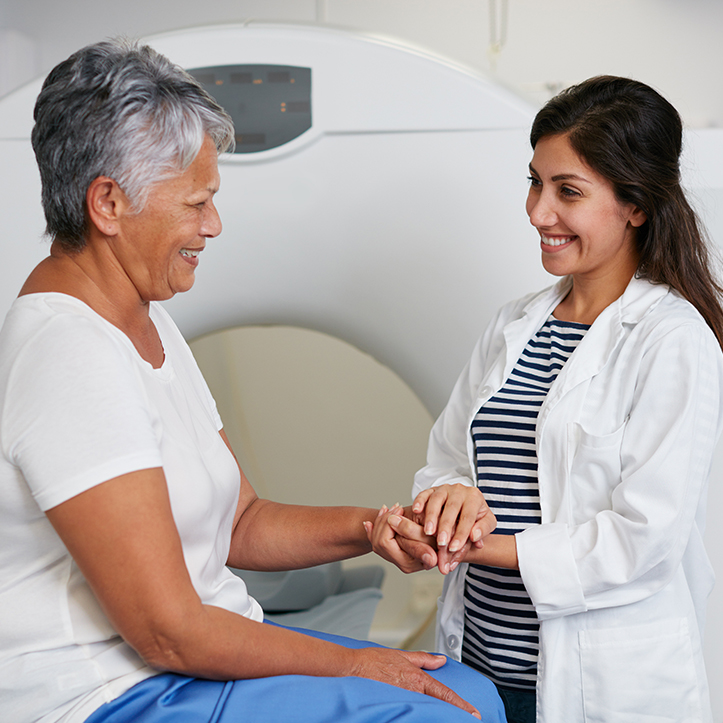
EMG and Nerve conduction testing
Electromyography (EMG) and nerve conduction studies measure the electrical activity of nerves and muscles. Nerves send out electrical signals to make your muscles react in certain ways. When your muscles react, they send signals, which can then be measured.
An EMG test looks at the electrical signals your muscles make when they are at rest and when
they are being used, while a nerve conduction study measures how fast and how well the body’s electrical signals travel down your nerves.
This type of testing can help us discover if you have a disorder of your muscles, nerves, or both.
Videonystagmography test or VNG
Videonystagmography tests the central motor functions possibly related to trauma. It is mobile and involves the use of infrared goggles which traces eye movements during visual stimulation and position changes.
Patients with dizziness can be quite difficult to diagnose. Dizziness or vertigo can be caused by a variety of things such as neuromuscular conditions, vestibular disorders, neurological disorders, balance disorders, psychological conditions, and pharmacological situations — making it harder to determine the cause of symptoms.
X-rays
An X-ray is a quick, painless test that produces images of the structures inside your body — particularly your bones.
X-rays are images that use small doses of ionizing radiation to take pictures of the inside of your body called radiographs.
X-rays can help doctors diagnose things like fractured or broken bones, dislocated joints, abnormalities of the spine, arthritis, tumors, and more.
Transcranial Doppler
Transcranial doppler (TCD) is a non-invasive, painless ultrasound technique that uses high- frequency sound waves to measure the rate and direction of blood flow inside vessels.
It can detect medical problems that affect blood flow in your brain. It can detect stroke caused by blood clots, narrowed sections of blood vessels, vasospasm due to a subarachnoid hemorrhage, tiny blood clots and more.
This testing can facilitate the diagnosis of a wide range of conditions affecting the brain including: Subarachnoid hemorrhage (SAH), Embolism, Cerebrovascular Accident (CVA), Transient Ischemic Attack (TIA), Sickle Cell Anemia, and a Cerebral Circulatory Arrest.
Brain CT Scan
A CT of the brain is a non-invasive and painless diagnostic imaging procedure that uses special X-rays measurements of the brain. This can provide more detailed information about brain tissue and structures than X-rays, providing more data related to injuries and/or diseases of the brain.
A head CT scan may be recommended if a patient has any of the following symptoms: Seizures, Migraines or recurrent headaches, a head injury, dizziness or problems with balance, unusual confusion, behavior or personality change or other reasons.
Neurocognitive Testing
Neurocognitive testing is an entirely different way to measure brain function. These are computerized tests to assess important aspects of cognition, such as memory, reaction time, attention, perception, and more. The various tests are crafted to measure specific aspects of brain function. By measuring these, doctors and clinicians can get incredible insight into what’s happening in the brain. Neurocognitive testing provides a standardized way to get a snapshot of brain health. These tests are objective, and the scores allow us to compare a person’s brain function.
Neurocognitive testing can provide early detection of a concussion or the onset of dementia, which are often missed. This testing can help determine someone’s fitness for returning to work or athletic play, or their capacity for living alone. for example. Neurocognitive testing can be repeated to track cognition in mild cognitive dementia or to assess recovery in concussion.
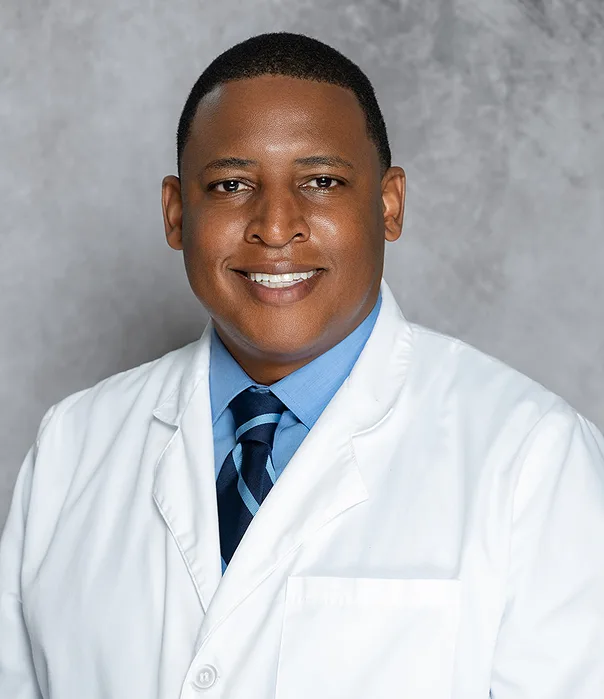
About Gilbert Mbeo, MD
Dr. Gilbert Mbeo brings a unique perspective to advanced pain management as a triple board-certified physician with over 13 years of experience in Neurology, NeuroIntensive Care, and Interventional Pain Management. Inspired by his work as a Neurointensivist caring for critically ill patients with brain and spinal cord trauma, he founded the Brain, Spine & Pain Institute in Lake Nona to provide a better path for long-term neurological recovery. Dr. Mbeo is passionate about helping patients get their lives back using cutting-edge, non-invasive treatments like Magnetic e-Resonance Therapy (MeRT) to enhance healing and give hope to those facing complex neurological conditions. His mission is simple: help patients regain their quality of life through individualized care that addresses the root causes of brain dysfunction.
Get The Right Prognosis &Treatment You Need With Our Specialist Diagnostic Services
When others say “we don’t know,” we find answers. Our specialist diagnostic services use advanced technology and proven expertise to solve complex cases that conventional testing misses. Ready to finally understand what’s wrong? Our medical diagnostic center is here to help.
Get in Touch
Please fill in this form and we will contact you at a time that is most convenient for you.