After a car accident, it’s not uncommon to experience a range of unfamiliar symptoms. Some may appear immediately, while others might surface days later. Recognizing these signs and understanding their potential causes is crucial for early intervention and recovery. As a physical therapist at the Brain Spine Pain Institute of Lake Nona, I’ve worked with many patients navigating their healing process after an accident. Certain symptomatic patterns tend to emerge, and understanding them can help you feel more in control of your recovery and know when to seek care.
Low Back Pain
Low back pain is one of the most common conditions I see following a car accident. The nature of a collision often involves high-speed forces, rapid deceleration, and sudden, unexpected changes in body position. These forces can cause excessive movement triggering protective reflexes in the body that places unexpected loads on the lumbar spine. As a result, the internal structures of the low back may become irritated or injured, leading to pain that can linger long after the accident.
One of the most frequently affected structures are the lumbar discs. These discs act as shock absorbers between the vertebrae, helping protect the spine from compressive and shearing forces. In a car accident, the increased load on the spine can cause a disc to bulge or herniate, potentially compressing nearby nerves. This can result in back pain, leg pain, numbness, or even weakness that interferes with daily activities and mobility.
Common Signs and Symptoms to look out for:
- A dull, achy pain throughout the lower back, can be pronounced on one side more than the other
- Numbness or tingling sensations in the lower back or radiating down one or both legs
- Noticeably slouched or guarded posture
- Difficulty walking or moving around comfortably
- Challenges getting in and out of bed
- Pain or stiffness when sitting or standing for extended periods
Neck Pain
Similar to low back pain, neck pain is also a common issue following a car accident. High-speed forces, abrupt directional changes, and protective reflexes during a collision can place significant stress on the cervical spine, just as they do on the lower back. The structures in the neck, including spinal discs, closely resemble those in the lumbar region and are just as susceptible to injury. Cervical discs can bulge or herniate under excessive force, potentially compressing nearby nerves that affect the upper extremities. This may lead to symptoms such as neck pain, radiating arm pain, numbness, tingling, or even weakness, often interfering with daily activities and mobility.
Common Signs and Symptoms to look out for:
- A dull, achy pain throughout the neck and upper back, can be pronounced on one side more than the other
- Numbness or tingling in the arms
- Weakness in the upper extremities, especially when lifting overhead
- Difficulty turning the head, scanning your environment, or driving
- Frequent or persistent headaches
Dizziness
Dizziness is one of the most unexpected but important symptoms to be aware of after a car accident. It can present in various ways: as lightheadedness, vertigo, unsteadiness, or a general sense of imbalance, and may be caused by several different factors. If your head hits something during the accident or if you lose consciousness, a concussion may occur. This can disrupt your brain’s ability to process balance and spatial orientation. Another possible cause is damage to the vestibular system, a group of small structures in your inner ear that help regulate balance; trauma can displace structures involved in this organized system and trigger vertigo-related symptoms. Finally, dizziness can also stem from the cervical spine. Neck dysfunction due to muscle tightness, joint restrictions, or postural strain can lead to what’s called cervicogenic dizziness, where the brain receives faulty signals about your body’s position in space.
Common Signs and Symptoms to Look Out For:
- Vertigo (spinning sensation), feelings of constant motion, or feeling like you’re on a boat
- Balance issues or feeling pulled in a specific direction
- Nausea
- Headaches
- Brain fog or trouble concentrating
- Light and/or sound sensitivity
- Visual changes (blurred vision, difficulty focusing)
Conclusion: Finding your way forward after a car accident
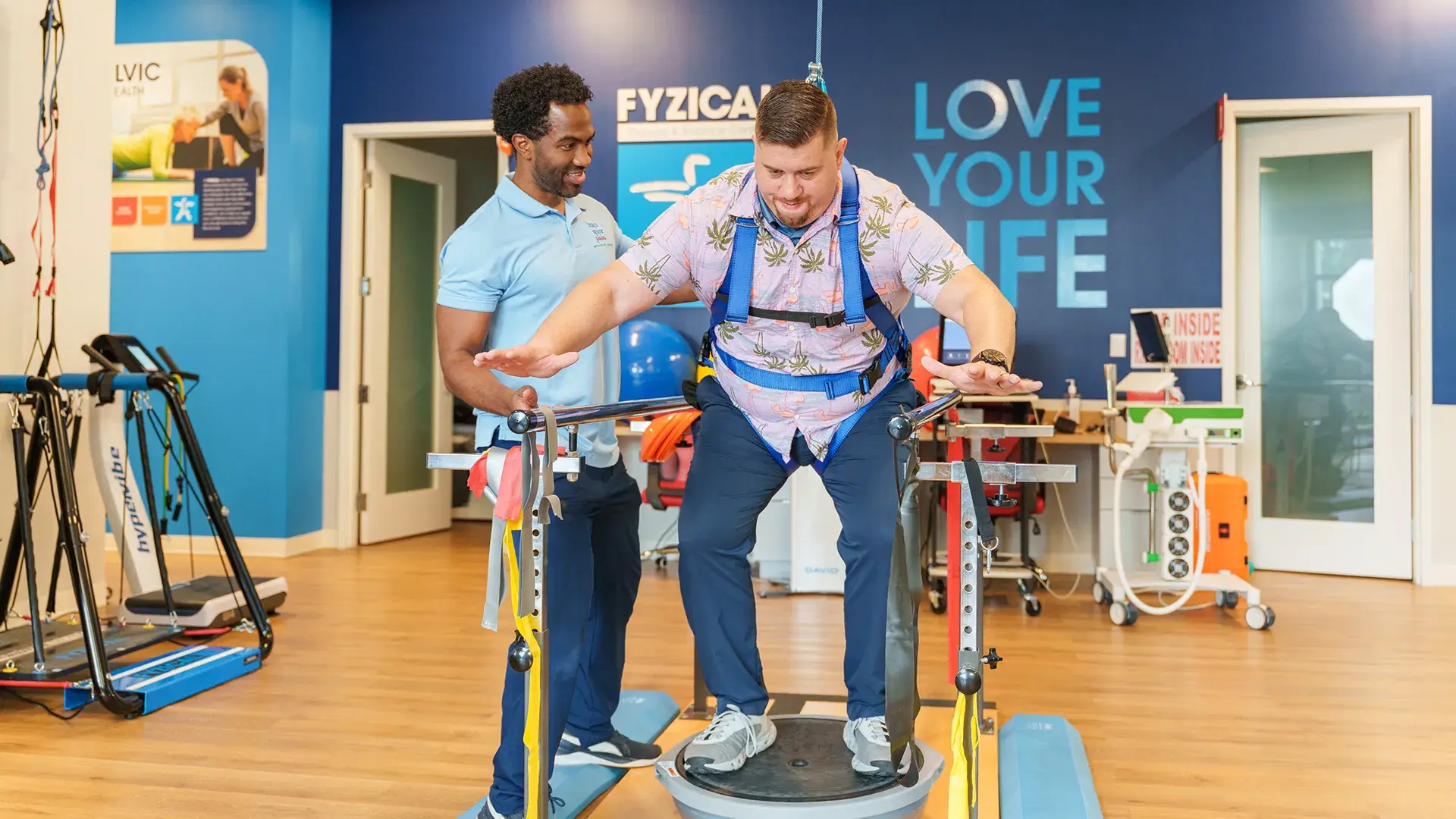
At the Brain Spine Pain Institute of Lake Nona, we recognize that symptoms following a car accident, whether it’s pain, dizziness, or limited mobility, can deeply impact your daily life and independence. That’s why we take a comprehensive, multidisciplinary approach to care. Physical therapy plays a central role in your recovery by combining personalized treatment sessions, with objective assessment tools, and evidence-based movement strategies to manage symptoms and restore function. We also collaborate closely with our in house neurologist, pain management specialist, and other providers to ensure every aspect of your health is addressed. Recovery is not only possible—it’s achievable with the right support. If you or a loved one is experiencing any of these symptoms, don’t wait. Schedule an evaluation and take the first step toward a steadier, safer, and more confident life.
Brain Spine Pain Institute of Lake Nona
Compassionate. Comprehensive. Committed to Your Recovery.
Categories
Get in Touch
Please fill in this form and we will contact you at a time that is most convenient for you.
Turn Answers into a Recovery Plan
If you are experiencing symptoms after an injury, you deserve clear answers and a dedicated partner in your recovery. Our team is committed to empowering patients with personalized, evidence-based care that improves quality of life. Contact us today to schedule your comprehensive evaluation and take control of your health journey.