Patients experiencing neurological symptoms following trauma — including concussion, head, spine, or nerve injury — often require careful assessment and specialized care. Our clinic is dedicated to helping you understand your symptoms, initiate healing, and rebuild your quality of life.

When “Normal” Scans Fail to Explain Your Symptoms

It’s common for patients to experience persistent headaches, dizziness, memory difficulties, balance issues, or chronic pain after an accident — even when standard imaging (CT or MRI) appears “normal.” These are often invisible injuries: subtle brain, nerve, or soft-tissue trauma that can be missed by general providers.

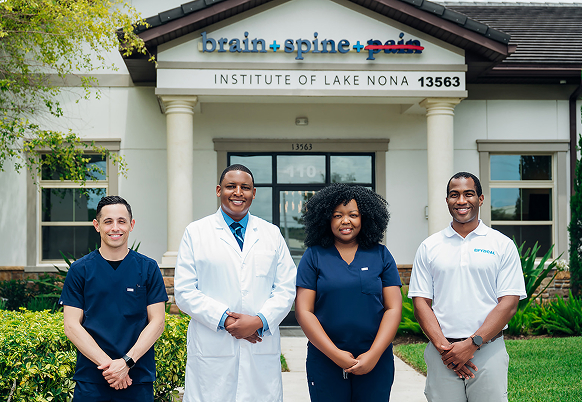
At the Brain, Spine & Pain Institute, we specialize in uncovering these hidden effects of trauma. By combining advanced neurodiagnostics, detailed neurologic evaluation, and a deep understanding of trauma-related brain and nerve injuries, we deliver clarity when “nothing shows up” — and help guide your path toward recovery.

What We Offer — Specialized Neurotrauma & Post-Accident Care

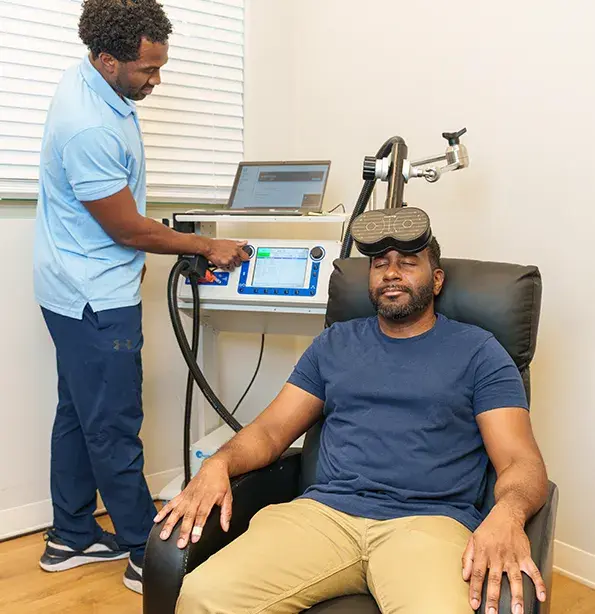
  • Thorough Neurological Evaluation: Your first visit includes a comprehensive neurologic assessment designed to uncover even subtle impairments. We evaluate cognition, balance, sensory and motor function, reflexes, and nerve integrity — with an eye toward changes that may not show on basic ER workups.
  • Advanced, Evidence-Based Diagnostics (When Indicated): Depending on your symptoms and accident history, we may recommend:

    • Quantitative EEG (qEEG) brain mapping
    • Computerized cognitive testing
    • Vestibular & balance assessment
    • Neuroimaging review / advanced neuroimaging
    • Nerve conduction studies / EMG

    These tools often reveal injuries or dysfunction that standard imaging misses — helping us document the real effects of trauma.

  • Objective, Detailed Medical Reporting & Analysis: We provide clear, clinically sound documentation of findings, functional impairments, and recovery recommendations. Our reports are organized, defensible, and medically grounded — ideal for coordinating care with other providers.
  • Individualized Recovery & Rehabilitation Planning: Based on your evaluation, we’ll offer a personalized roadmap tailored to your condition: whether that means symptom management, physical therapy referrals, vestibular rehab, cognitive rehabilitation, or ongoing neurologic follow-up.
  • Transparent Communication & Collaborative Care: We believe in communication: we make sure you — and any referring providers — understand what we found, what it means, and what to expect. Our goal is your recovery, health, and long-term function.

Why Choose Us?

01
Board-Certified Neurotrauma Expertise

Dr. Gilbert Mbeo holds board certifications in neurology and brain injury medicine, with specialized training in neurotrauma. This ensures your care goes beyond general neurology to deep, trauma-specific expertise.

02
Focus on Real Recovery

Our commitment is to your health, not marketing. We believe in healing, clarity, and integrity. Our process is clinically driven, evidence-based, and patient-focused.

03
Depth of Diagnostics & Clinical Attention

Too often, subtle injuries get labeled “just stress,” “just whiplash,” or “nothing showing on the scan.” We dig deeper when patients report persistent symptoms — providing dignity, answers, and a real medical path forward.

04
Support for Continuity of Care

Whether you’re coming from ER discharge, a chiropractor, primary care, or another specialist — we provide clear, objective findings and recommendations that integrate with your overall treatment plan.

Typical Conditions / Symptoms We See After Accidents

  • Concussion / Mild-to-Moderate Traumatic Brain Injury (TBI)
  • Persistent or delayed post-concussion symptoms (headache, fogginess, light or noise sensitivity)
  • Whiplash-associated headaches, neck pain, nerve pain/radiculopathy
  • Dizziness, vertigo, balance issues, vestibular dysfunction
  • Cognitive difficulties: memory, attention, concentration, executive function
  • Sleep disturbance, mood changes, brain-fog
  • Nerve injury, peripheral neuropathy, nerve-root irritation

If you or a loved one are experiencing symptoms such as persistent headaches, dizziness, balance issues, cognitive changes, or nerve pain following trauma, a comprehensive neurological evaluation can help clarify the cause and guide treatment.
Typical conditions after a car accident
A Strategic Partnership Built on Unmatched Expertise Image

Who We Help

  • Patients whose initial evaluations missed underlying neurologic trauma.

  • Individuals experiencing delayed or persistent symptoms post-accident.

  • People seeking clarity, diagnosis, and a recovery plan rather than a quick “all-clear” stamp.

  • Healthcare professionals seeking a neurologist for thorough evaluation of complex neurological symptoms following trauma.

Ready to Start Your Recovery Journey?

If persistent symptoms, unexplained pain, or neurologic changes emerged after an accident — it’s time to get clarity from a neurotrauma specialist.

Our team is here to listen, evaluate carefully, and help you begin healing.