Understanding Concussions: A Neurologist’s Perspective on Diagnosis and Treatment
A neurologist’s framework for diagnosing, documenting, and defending traumatic brain injury cases—even when imaging appears normal.

Florida State Bar approved for 1 Hour CLE Credit

North Carolina State Bar approved for 1 Hour CLE Credit
Course Description:
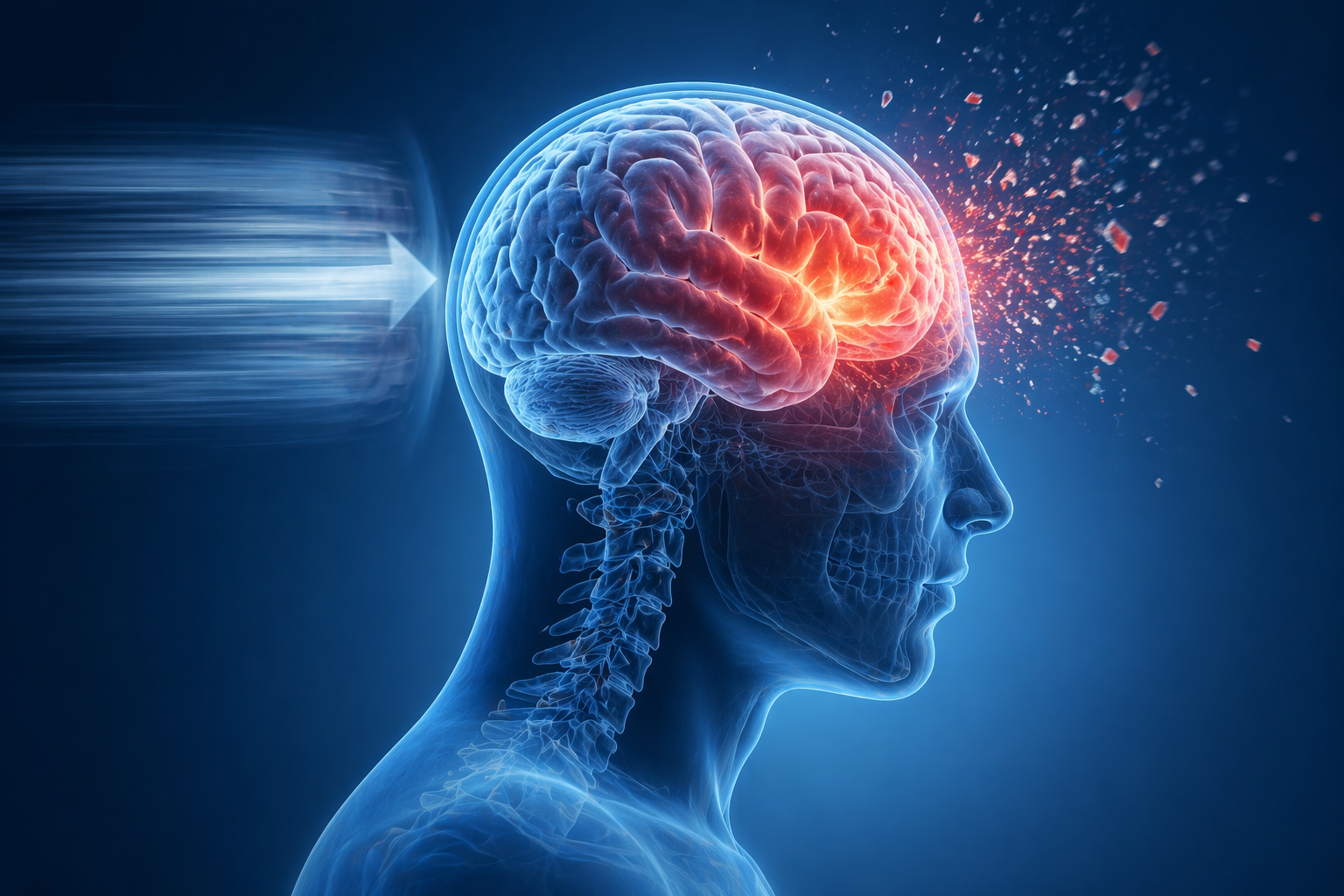
Traumatic brain injury (TBI), particularly concussion, remains one of the most misunderstood and contested areas in personal injury litigation. Despite affecting millions of individuals annually and carrying significant long-term consequences, these injuries are frequently dismissed due to “normal” imaging and a lack of visible structural damage.
This course provides attorneys with a clear, medically grounded understanding of how brain injuries occur, how they evolve over time, and how they should be properly evaluated. Attendees will gain insight into the modern scientific framework of TBI as a dynamic and often chronic disease process, rather than a transient event.
Drawing from clinical neurology and real-world medico-legal experience, this course will bridge the gap between medicine and litigation. Attorneys will learn how to interpret symptoms, understand advanced diagnostic tools, and construct stronger causation arguments supported by objective medical evidence.
Key Learning Points:
- Why normal CT and MRI findings do not rule out traumatic brain injury
- The role of rotational forces and diffuse axonal injury in concussion
- Understanding TBI as a chronic and evolving disease process
- How to utilize advanced diagnostics (oculomotor testing, balance testing, neurocognitive tools, biomarkers)
- Strategies to strengthen causation and rebut common defense arguments
Florida State Bar approved for 1 Hour CLE Credit
North Carolina State Bar approved for 1 Hour CLE Credit
Course Description:
Traumatic brain injury (TBI), particularly concussion, remains one of the most misunderstood and contested areas in personal injury litigation. Despite affecting millions of individuals annually and carrying significant long-term consequences, these injuries are frequently dismissed due to “normal” imaging and a lack of visible structural damage.
This course provides attorneys with a clear, medically grounded understanding of how brain injuries occur, how they evolve over time, and how they should be properly evaluated. Attendees will gain insight into the modern scientific framework of TBI as a dynamic and often chronic disease process, rather than a transient event.
Drawing from clinical neurology and real-world medico-legal experience, this course will bridge the gap between medicine and litigation. Attorneys will learn how to interpret symptoms, understand advanced diagnostic tools, and construct stronger causation arguments supported by objective medical evidence.
Key Learning Points:
- Why normal CT and MRI findings do not rule out traumatic brain injury
- The role of rotational forces and diffuse axonal injury in concussion
- Understanding TBI as a chronic and evolving disease process
- How to utilize advanced diagnostics (oculomotor testing, balance testing, neurocognitive tools, biomarkers)
- Strategies to strengthen causation and rebut common defense arguments
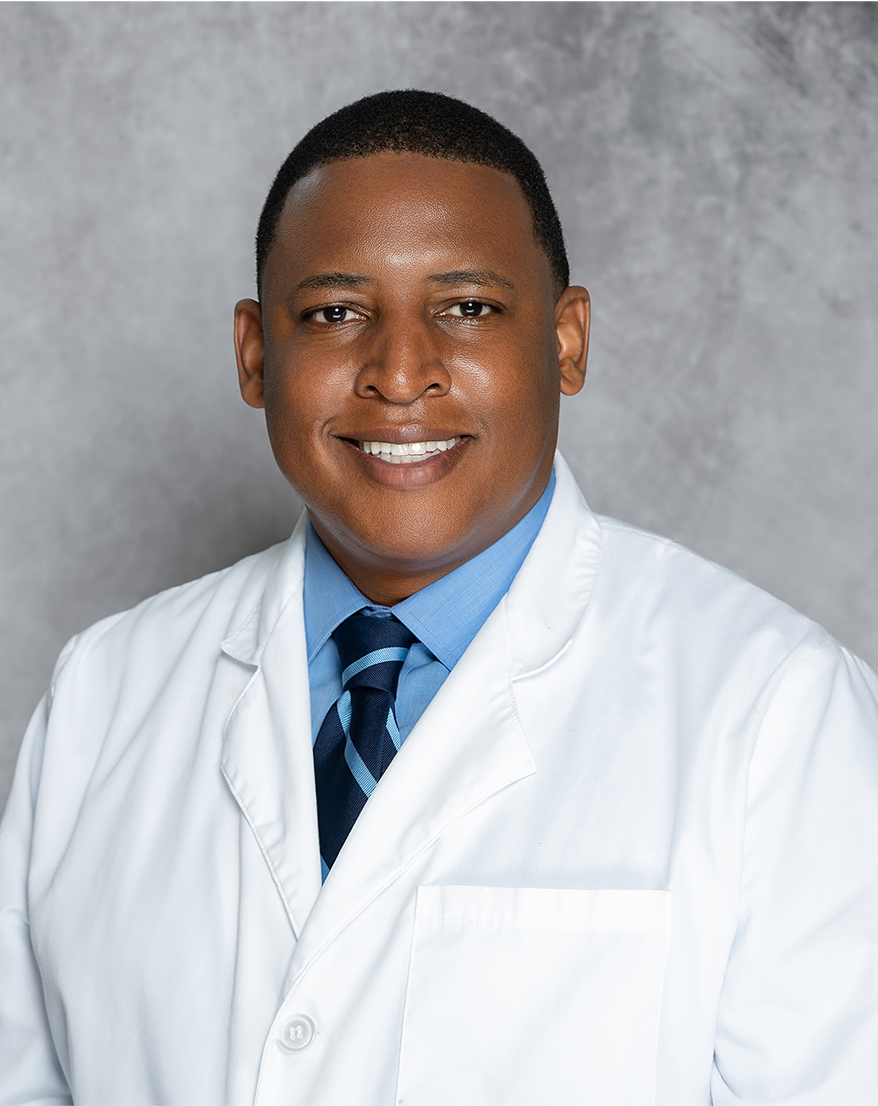
Gilbert Mbeo, MD
Quadruple Board-Certified Neurologist & Brain Injury Specialist
Dr. Gilbert Mbeo is a quadruple board-certified physician with over 15 years of clinical and academic experience specializing in Neurology, NeuroIntensive Care, Brain Injury Medicine, and Interventional Pain Management. As the Founder and Medical Director of the Brain, Spine, and Pain Institute in Orlando, he focuses on advanced, evidence-based care for patients with complex neurological conditions, including traumatic brain injury and spinal trauma.
For attorneys, Dr. Mbeo provides a uniquely authoritative perspective grounded in both clinical expertise and medico-legal application. He holds a specialized board certification in Brain Injury Medicine—a distinction held by only a small number of physicians in Florida. His work integrates advanced diagnostics, multimodal treatment strategies, and detailed narrative reporting to support litigation, deposition, and trial.
When to Refer a Case to Dr. Mbeo
Ensuring your client receives an accurate diagnosis early in their case is critical for both recovery and case strength. Consider referral when:
Note: After registration, our team will review the information provided and coordinate next steps as appropriate.